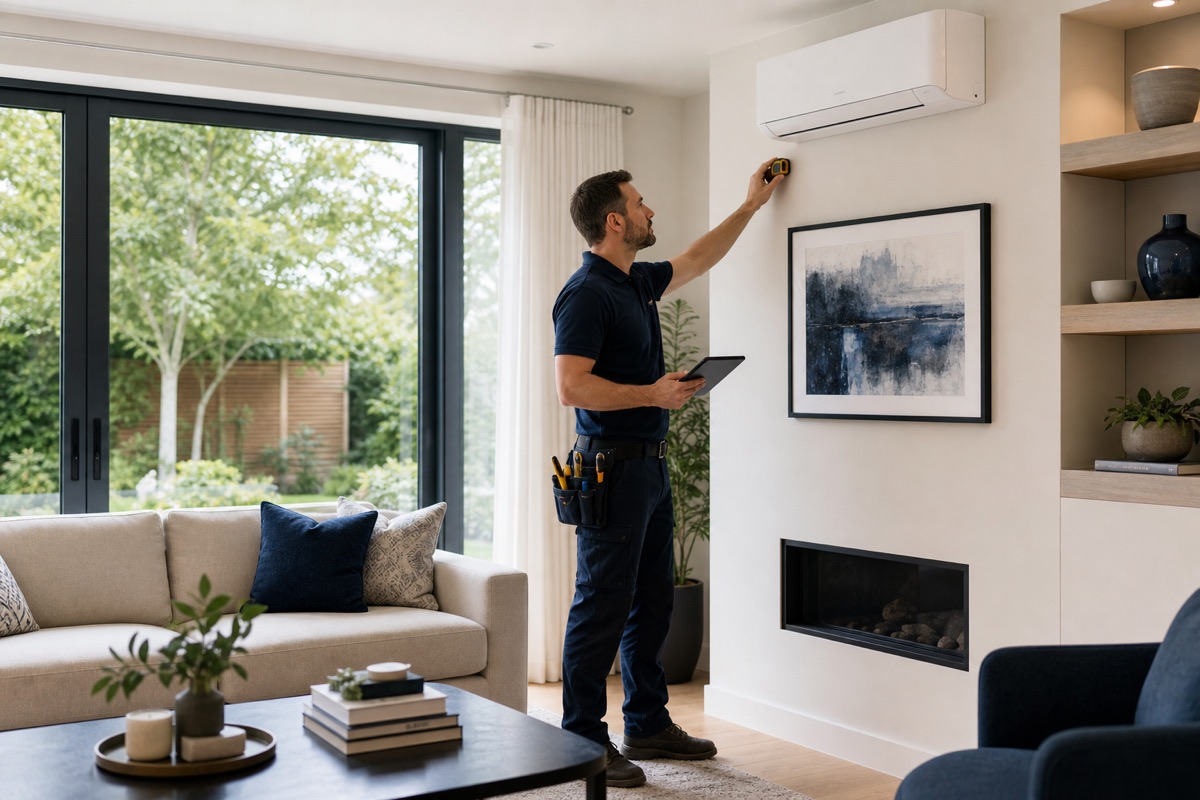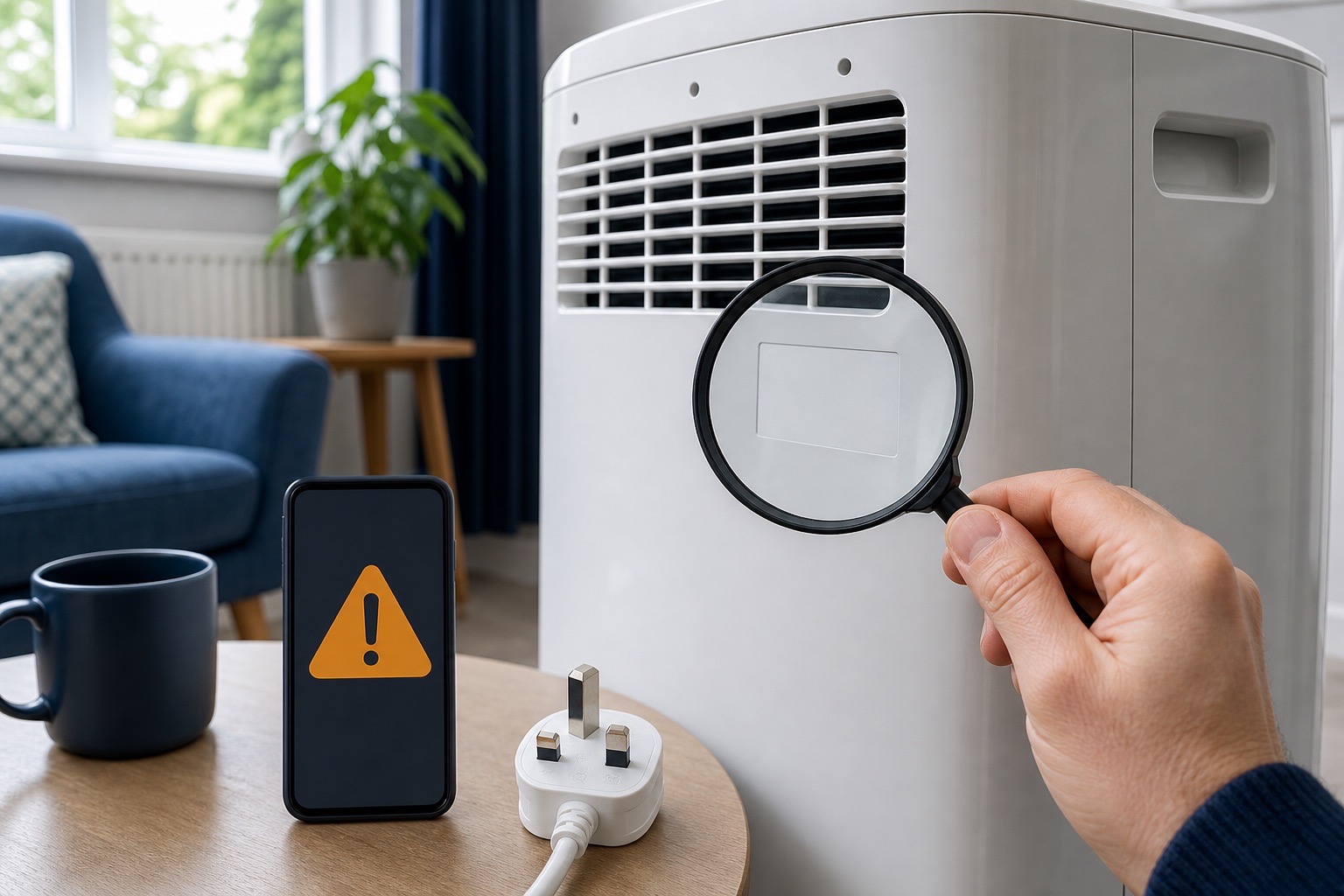
Start with exact product identity
A brand name or retailer title is not enough for a reliable recall check. Photograph the rating label and record the model number, serial or batch identifier, product code, plug type and seller. Keep the order confirmation and invoice. Manufacturers can sell several visually similar capacities under one family name, while a safety action may apply only to particular production runs.
Search using the exact model first, then repeat with the brand and product family. Check spelling, punctuation and alternative model formats. Do not conclude that a product is safe merely because a broad keyword search returns nothing. A notice can be published later, identifiers can differ, and some corrective actions are communicated directly by a manufacturer or retailer.
Use the official OPSS list
The Office for Product Safety and Standards publishes a searchable list of Product Safety Alerts, Reports and Recalls. A recall can ask affected owners to act for a repair, replacement or refund. A safety report records corrective measures other than a recall, while a safety alert can address a product category or serious sector-wide risk. Read the notice type and instructions rather than treating every result identically.
Compare the notice's photographs, model identifiers, barcode, country of origin, seller and affected dates with the physical product. Save the notice URL and date checked. If identifiers are unclear, stop using the product where the notice or manufacturer advises it and contact the named business using independently verified contact details.
What to do when a product matches
Follow the official notice and manufacturer instructions. Do not attempt a repair, open the casing or modify the refrigerant circuit unless the corrective programme explicitly appoints a competent technician. Unplugging may be appropriate when instructed and safe to do, but the correct response depends on the hazard. Preserve evidence and do not resell, donate or discard a recalled unit before understanding the return process.
Contact the retailer or manufacturer about the stated remedy and keep a record of dates, names and reference numbers. Recall communications may offer inspection, modification, collection, replacement or refund. A social-media post or marketplace message should not override the official notice. If collection is required, ask how a heavy appliance and any refrigerant-containing equipment will be handled safely.
Report suspected unsafe products
OPSS advises consumers in England and Wales to contact the Citizens Advice consumer helpline, consumers in Scotland to contact Advice Direct Scotland, and people in Northern Ireland to contact the local district council. Reports can help trading standards and OPSS identify unsafe products and supply-chain patterns. Provide precise identity, purchase and incident details without guessing at the technical cause.
If a product caused injury, fire, electric shock, smoke, melting, unusual heat or property damage, prioritise emergency and medical needs. Preserve photographs and documents only when safe. Also notify the seller and manufacturer. Consumer rights and safety enforcement are related but distinct; reporting a hazard does not itself determine the remedy in an individual dispute.
Make recall checking part of ownership
Register the product with the manufacturer where a legitimate registration service is available, retain the serial number and keep contact information current. OPSS allows users to subscribe to updates from the official recall list. Recheck before seasonal use, after a long period in storage and before transferring ownership, particularly when the product has been bought second-hand.
Routine maintenance is not a substitute for recall checking. Clean filters and inspect cables, plugs, hoses and drainage according to the manual, but stop if damage or abnormal operation is found. CoolCompare never labels an installer or notice as verified without evidence, and no-match results in its safety tools must not be presented as proof of safety.
Treat second-hand, imported and marketplace units as an identity problem
A used or marketplace appliance may have lost its box, receipt or original listing, while a seller may describe several capacities under one family name. Before use, photograph the rating plate, plug, conformity markings and every serial, batch, barcode or importer detail that remains legible. Record the seller’s account and the listing URL as well. A cosmetic resemblance to a UK model is not enough to confirm that the unit came from the same production run or was supplied for the same market.
Search OPSS using several exact identifiers, including the model with and without spaces or punctuation, the barcode and the importer where known. Electrical Safety First retains older recall material but directs users to OPSS for current notices, so its archive is a historical cross-check rather than a replacement for the official list. If identity remains uncertain, ask the manufacturer or UK responsible business to confirm it in writing; do not reinterpret an absent search result as a safety certificate.
Create a safe evidence trail after a fault or match
If a unit smokes, overheats, sparks, melts or produces another abnormal symptom, do not recreate the event for a video or dismantle the casing to find the cause. Follow emergency advice first. When it is safe, record the time, operating mode, surrounding conditions and any visible damage without touching exposed parts. Preserve the plug, lead, hose, accessories, purchase record and photographs in their existing state so the retailer, manufacturer or authority can assess the same evidence.
A recall remedy and a consumer complaint are connected but separate processes. Keep the notice, correspondence, collection instructions and reference numbers, and do not dispose of the appliance until the responsible business explains what it needs returned. In England, Citizens Advice receives consumer reports and can pass relevant information to Trading Standards. Reporting may assist wider enforcement, but it does not itself decide an individual refund, repair or compensation claim.
Close the loop after a repair, refund or replacement
A recall match is not finished when the retailer answers the first message. Read the remedy section of the current official notice and ask the responsible business to state in writing what it will provide: a repair, replacement, refund, collection or another specified action. Quote the exact model, batch and serial details and keep the case reference beside the notice. If a repair is offered, ask which component or procedure is authorised, who will perform it and what evidence will show that the remedy is complete. Do not accept an informal modification from a marketplace seller or continue using the product while waiting unless the safety notice expressly says that use may continue under stated conditions. Likewise, do not post or transport a product with a suspected battery, electrical or refrigerant fault until the business gives suitable instructions. Where the proposed response conflicts with the notice, retain the correspondence and use the official reporting or consumer-advice route for the relevant UK nation.
Treat a replacement or repaired air conditioner as a fresh identity record. Photograph its rating plate before installation or use, save the new serial number, receipt and warranty, and link them to the original case rather than overwriting the old details. A visually similar replacement may belong to a different production batch, while a repair can leave the original model identity unchanged; only the paperwork and plate establish what you now own. Check the new identifiers against the OPSS database and the manufacturer's published safety information, then record the date and result. If the unit was collected, ask for confirmation so another household member does not later assume it is merely in storage or awaiting resale. For second-hand purchases, record what happened with the seller and platform as well. This evidence trail helps distinguish a completed official remedy from a promise, supports any later report, and ensures the replacement enters the same periodic recall-checking routine as every other household appliance.