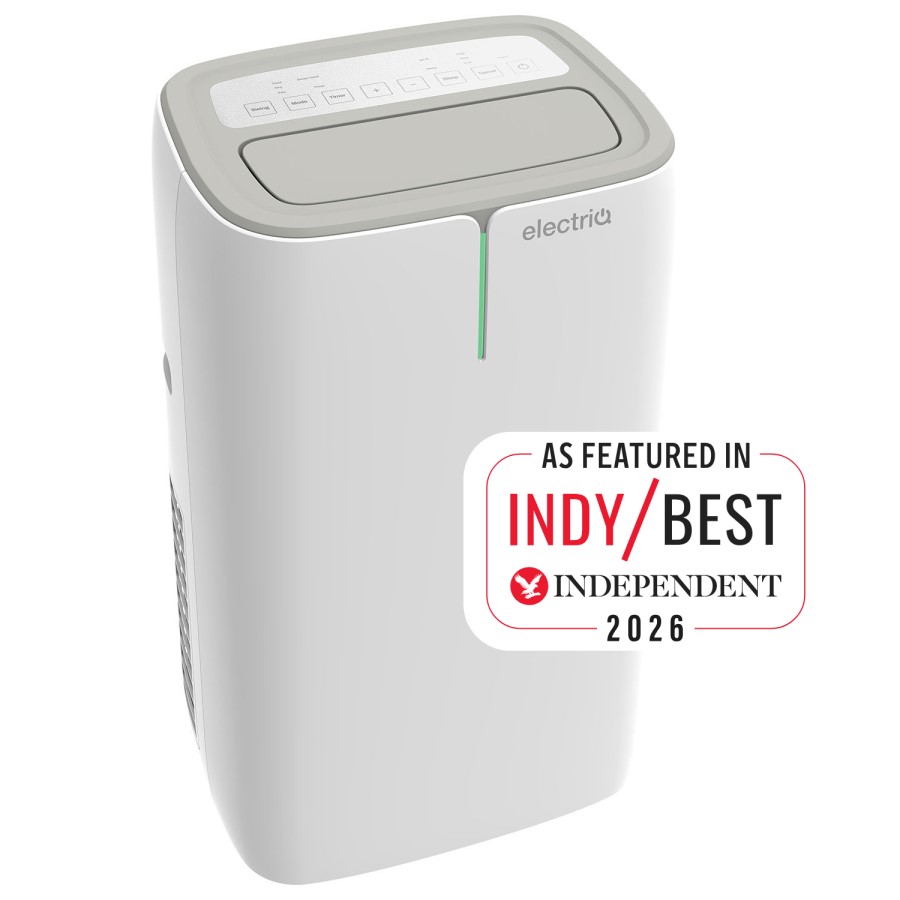
01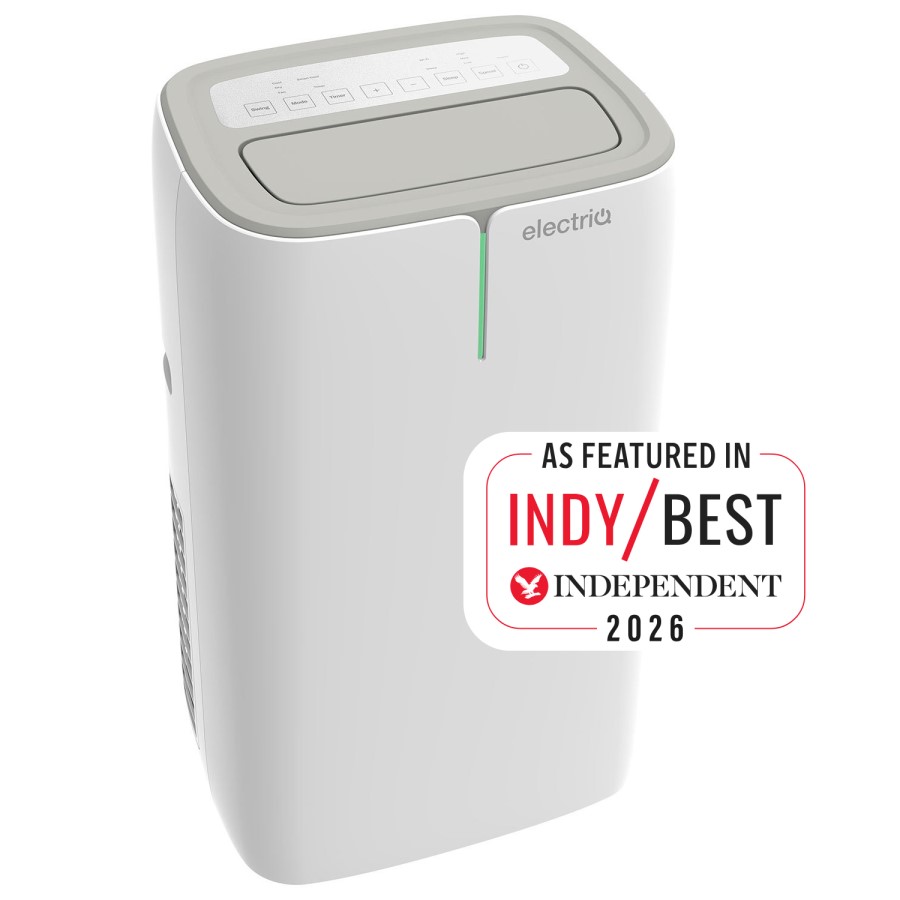 electriQ
- Noise
- 38 dB
- Capacity
- 14,000 BTU/h
- Rated input
- 1,570 W
- Room
- Up to 38 m²
Maximum-input illustration: about 39p/hour at 25p/kWh.
Why it appears here: Published indoor sound is 38 dB. This numerical position starts with the recorded maximum figure, then the minimum; it does not assume different measurement types or modes are directly comparable, or claim that tone and cycling were independently tested.
No current verified retailer priceUse the model dossier to check evidence and buying questions.
Open decision cardAdd to comparison02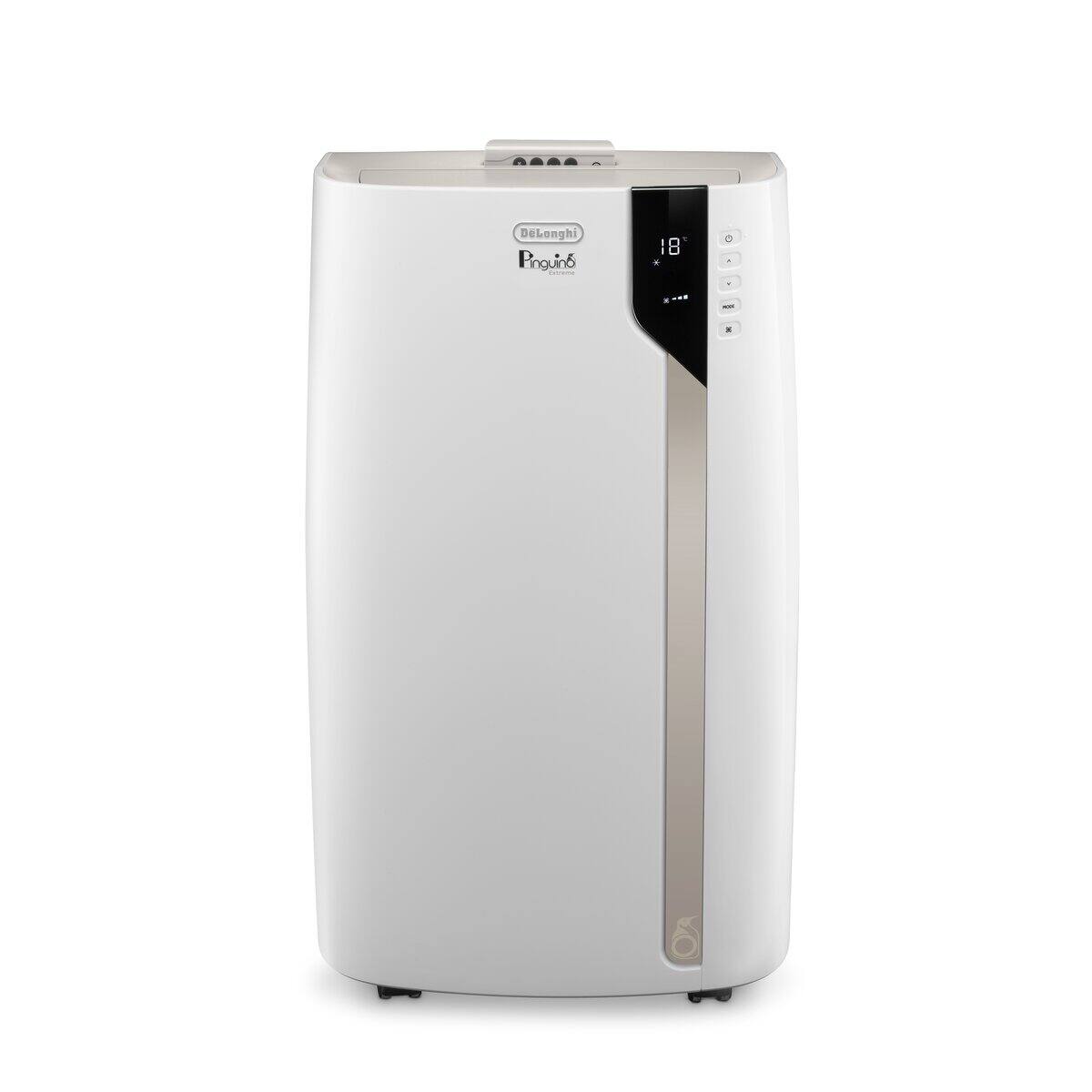 De'Longhi
- Noise
- 42–46 dB
- Capacity
- 8,900 BTU/h
- Rated input
- 810 W
- Room
- Up to 85 m³
Maximum-input illustration: about 20p/hour at 25p/kWh.
Why it appears here: Published indoor sound is 42–46 dB. This numerical position starts with the recorded maximum figure, then the minimum; it does not assume different measurement types or modes are directly comparable, or claim that tone and cycling were independently tested.
No current verified retailer priceUse the model dossier to check evidence and buying questions.
Open decision cardAdd to comparison03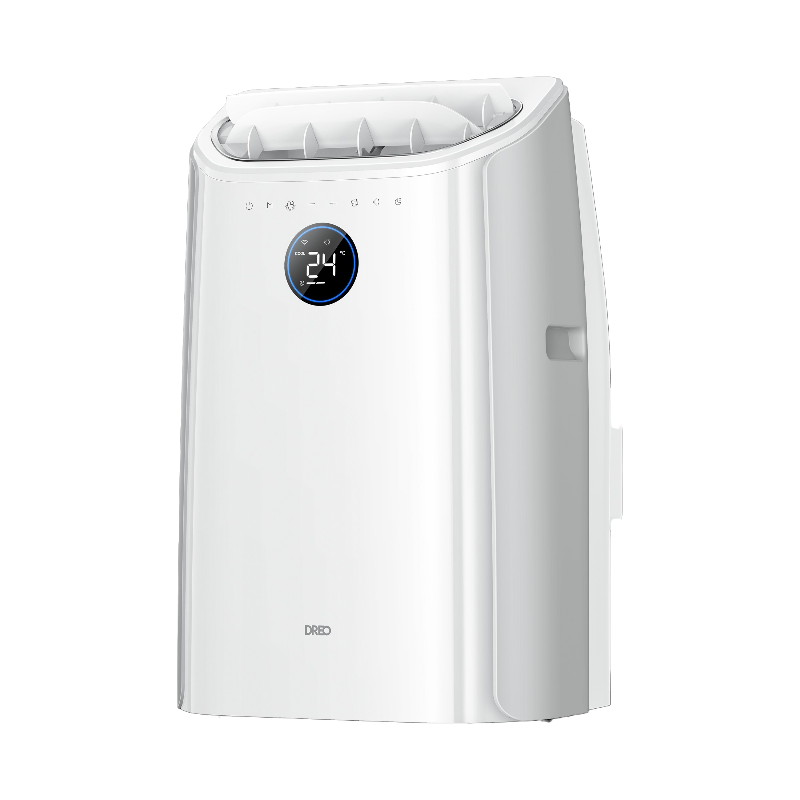 Dreo
Dreo- Noise
- 46 dB
- Capacity
- 10,000 BTU/h
- Rated input
- 1,125 W
- Room
- Up to 20 m²
Maximum-input illustration: about 28p/hour at 25p/kWh.
Why it appears here: Published indoor sound is 46 dB. This numerical position starts with the recorded maximum figure, then the minimum; it does not assume different measurement types or modes are directly comparable, or claim that tone and cycling were independently tested.
No current verified retailer priceUse the model dossier to check evidence and buying questions.
Open decision cardAdd to comparison04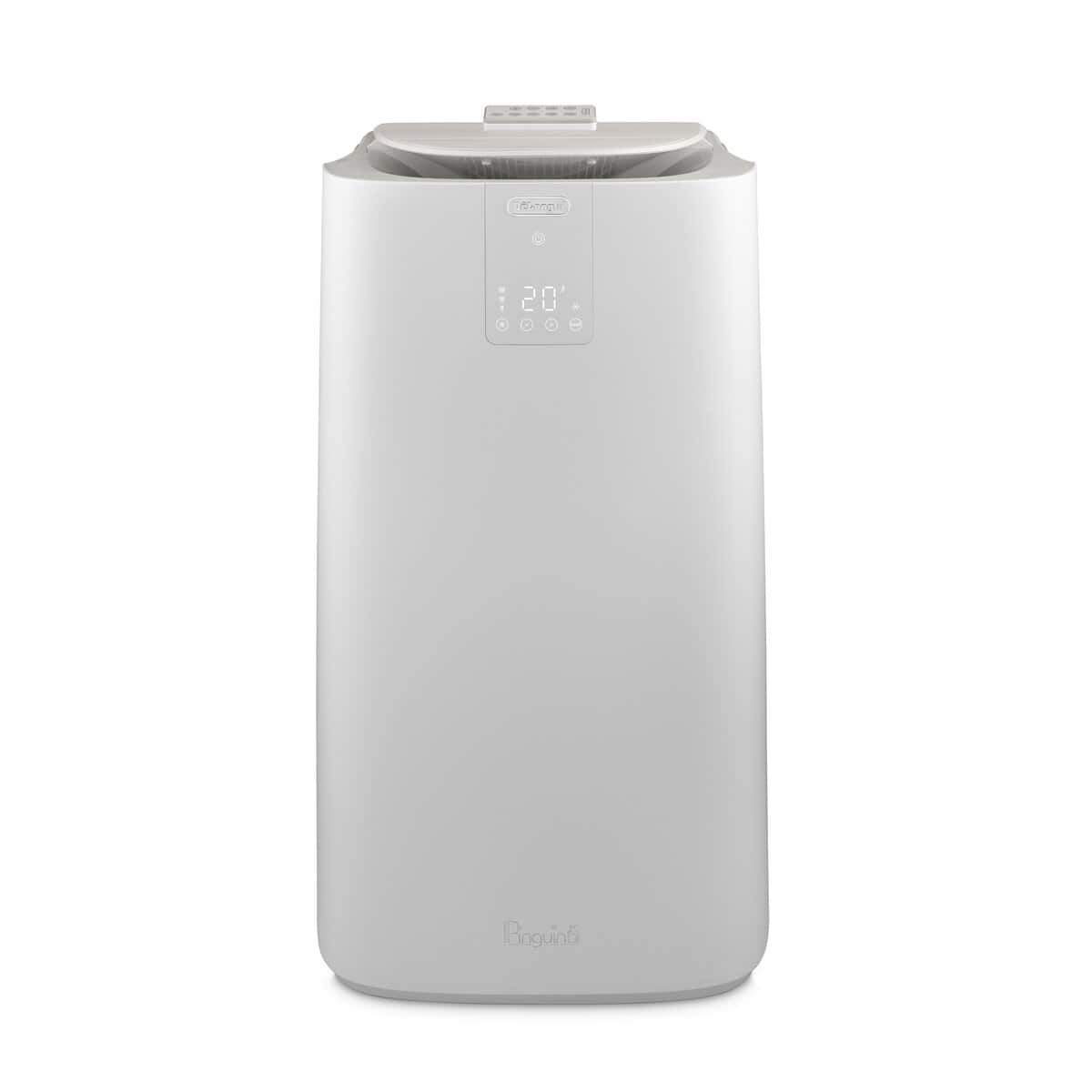 De'Longhi
- Noise
- 41–47 dB
- Capacity
- 11,500 BTU/h
- Rated input
- 875 W
- Room
- Up to 100 m³
Maximum-input illustration: about 22p/hour at 25p/kWh.
Why it appears here: Published indoor sound is 41–47 dB. This numerical position starts with the recorded maximum figure, then the minimum; it does not assume different measurement types or modes are directly comparable, or claim that tone and cycling were independently tested.
No current verified retailer priceUse the model dossier to check evidence and buying questions.
Open decision cardAdd to comparison05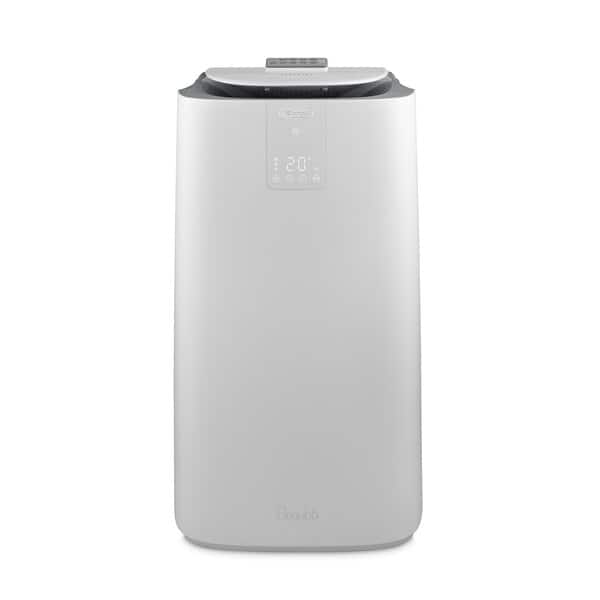 De'Longhi
- Noise
- 43–50 dB
- Capacity
- 13,000 BTU/h
- Rated input
- 1,035 W
- Room
- Up to 130 m³
Maximum-input illustration: about 26p/hour at 25p/kWh.
Why it appears here: Published indoor sound is 43–50 dB. This numerical position starts with the recorded maximum figure, then the minimum; it does not assume different measurement types or modes are directly comparable, or claim that tone and cycling were independently tested.
No current verified retailer priceUse the model dossier to check evidence and buying questions.
Open decision cardAdd to comparison06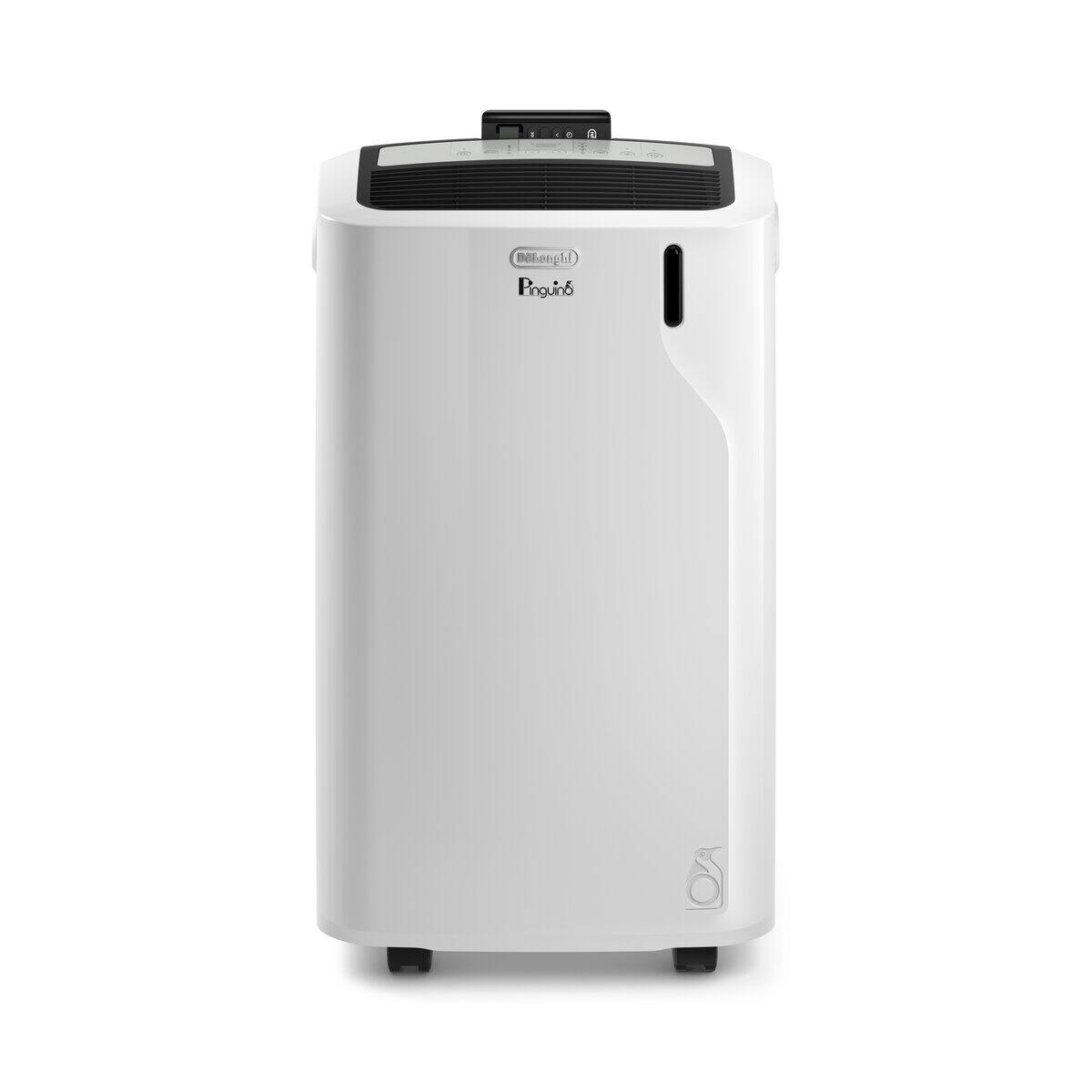 De'Longhi
- Noise
- 47–50 dB
- Capacity
- 9,800 BTU/h
- Rated input
- 1,000 W
- Room
- Up to 90 m³
Maximum-input illustration: about 25p/hour at 25p/kWh.
Why it appears here: Published indoor sound is 47–50 dB. This numerical position starts with the recorded maximum figure, then the minimum; it does not assume different measurement types or modes are directly comparable, or claim that tone and cycling were independently tested.
No current verified retailer priceUse the model dossier to check evidence and buying questions.
Open decision cardAdd to comparison07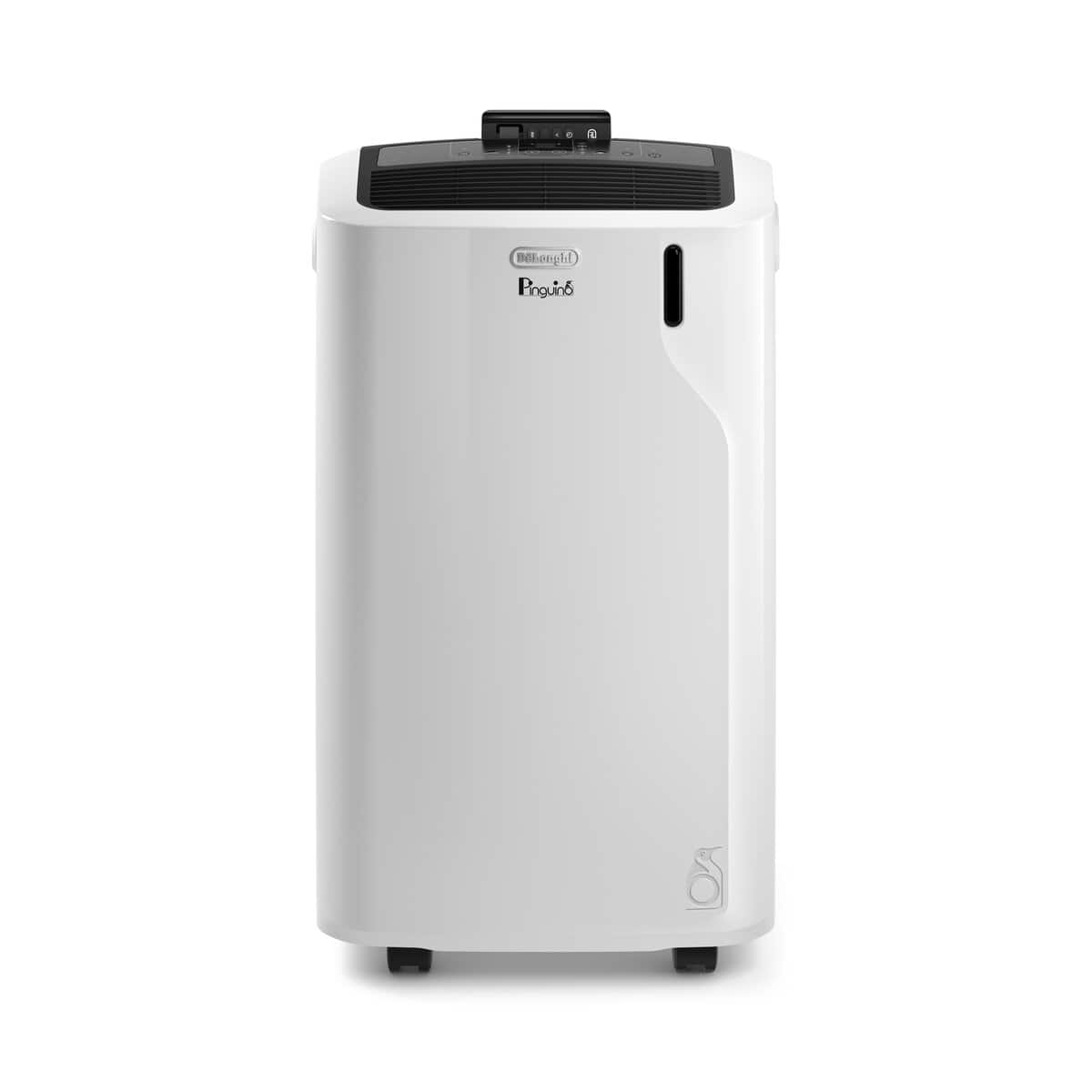 De'Longhi
- Noise
- 47–50 dB
- Capacity
- 10,500 BTU/h
- Rated input
- 1,000 W
- Room
- Up to 90 m³
Maximum-input illustration: about 25p/hour at 25p/kWh.
Why it appears here: Published indoor sound is 47–50 dB. This numerical position starts with the recorded maximum figure, then the minimum; it does not assume different measurement types or modes are directly comparable, or claim that tone and cycling were independently tested.
No current verified retailer priceUse the model dossier to check evidence and buying questions.
Open decision cardAdd to comparison08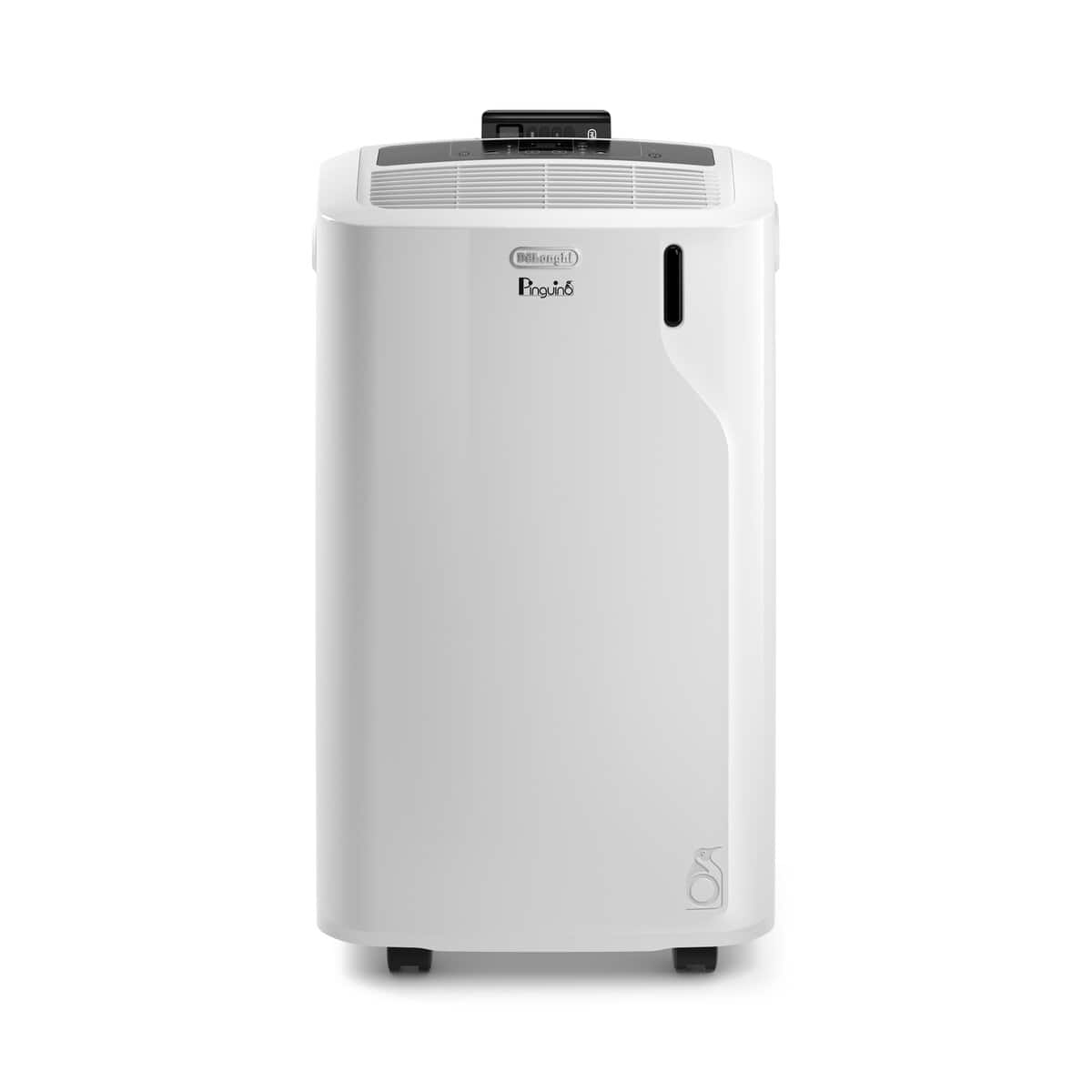 De'Longhi
- Noise
- 47–50 dB
- Capacity
- 9,400 BTU/h
- Rated input
- 1,000 W
- Room
- Up to 80 m³
Maximum-input illustration: about 25p/hour at 25p/kWh.
Why it appears here: Published indoor sound is 47–50 dB. This numerical position starts with the recorded maximum figure, then the minimum; it does not assume different measurement types or modes are directly comparable, or claim that tone and cycling were independently tested.
No current verified retailer priceUse the model dossier to check evidence and buying questions.
Open decision cardAdd to comparison